IICRC-Certified Water Damage Technicians
Our certified technicians follow trained methods for water extraction, moisture assessment, and structural drying.
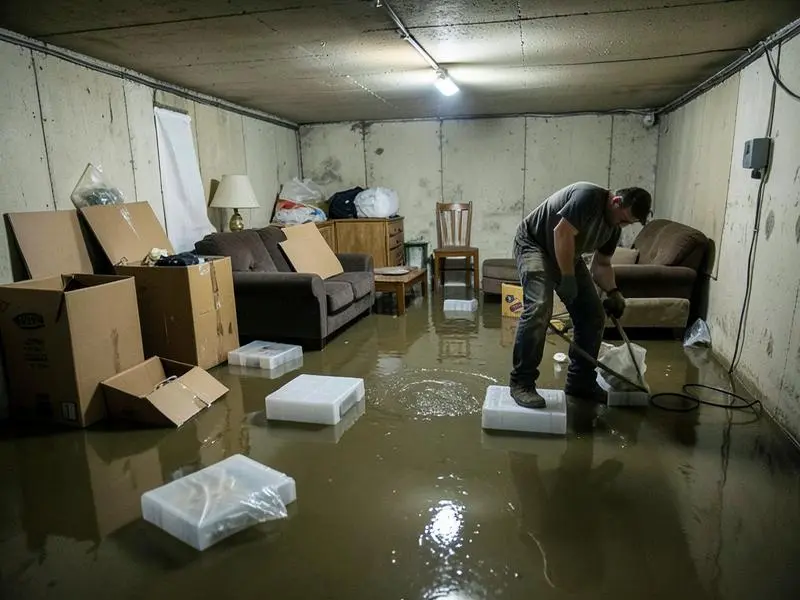
Basement Under Water?
Get Relief Remediation to take care of your flooded basement with fast water extraction, hidden-moisture checks, structural drying, and repairs when needed. We provide rapid emergency service, trained restoration specialists, and powerful water extraction equipment.
At your door in60 minutes or less

D W
“I had a pipe burst in my home and Relief Remediation came out right away. Their team responded quickly, got the water under control, and did an excellent job with the restoration. They also took care of everything directly with my insurance company, which made the process much less stressful for me. I’m very thankful for their professionalism and highly recommend Relief Remediation to anyone needing water damage restoration.”
Service: Flood restoration
Our certified technicians follow trained methods for water extraction, moisture assessment, and structural drying.
Relief Remediation is BBB Accredited and currently holds an A+ BBB rating.
We're a family-owned, Marietta-based crew that responds throughout the surrounding metro area.
We provide a stated 60-minute on-site response for Marietta basement emergencies.
Thermal imaging and meter readings help reveal damp areas beyond what's visible from the middle of the room.
Air movers and commercial dehumidifiers work together to pull remaining moisture from walls, flooring, and framing.
Recoverable contents are separated from damaged ones, and our scope can continue from mitigation into repair and rebuilding.
Photos, moisture readings, and project documentation can support the claim review process.
Full Scope of Damage
We address moisture and damage inside wall systems, beneath flooring, through foundation materials, around utilities, and throughout stored contents so the cleanup reflects the full loss.
The visible flood line may underestimate how much of the wall became wet. Porous materials can pull water upward through capillary action, or wicking. Drywall, baseboards, and other absorbent finishes may hold moisture several inches above where standing water stopped.
Water can stay underneath a floor after the walking surface looks dry. Carpet padding can hold moisture against concrete or subflooring, and laminate, engineered wood, vinyl, and underlayment can slow evaporation and conceal dampness underneath.
Basement slabs and foundation walls can absorb and hold moisture after surface water is gone. Efflorescence, or white mineral deposits, can show that moisture has moved through masonry, and saturated ground can push moisture through foundation cracks and joints.
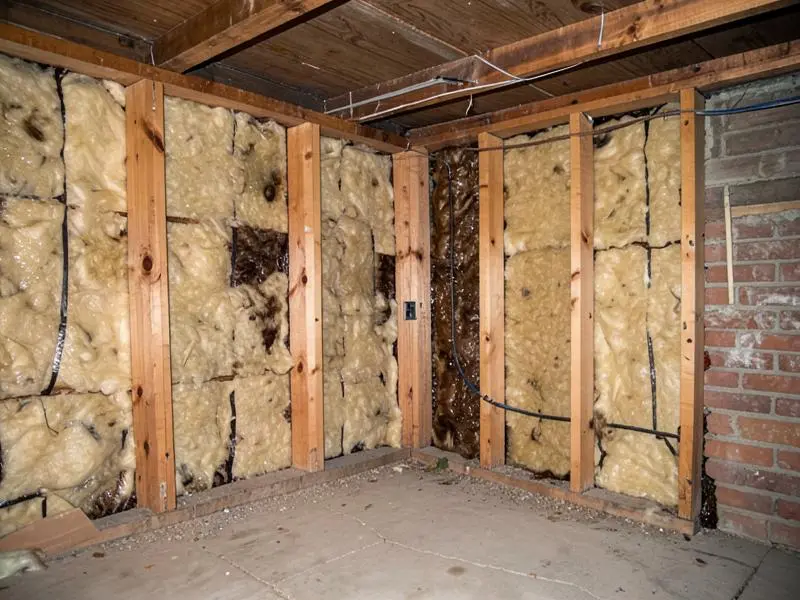
The front of a basement wall can look dry while the assembly behind it is still wet. Finished lower levels may contain drywall, insulation, wood framing, and vapor-control materials within the same wall system, and trapped water dries slowly where airflow cannot reach.
Not every flooded basement can be handled as a normal water loss. Sewer backups and other contaminated water can expose carpet, insulation, drywall, and contents to bacteria, chemicals, or other contaminants. Some porous materials may not be practical to clean and dry.
Basements often contain equipment that water should never reach, electrical outlets and wiring, breaker panels, furnaces and HVAC components, water heaters, washers and dryers, and sump-pump equipment. Our crew identifies these exposures during the cleanup scope.
Boxes, furniture, rugs, and fabrics can keep holding moisture after the floor is cleared. Whether an item can be saved depends on its construction, saturation, contamination, and how long it remained wet. We separate recoverable belongings from contents that are too damaged.
A basement is not ready to rebuild simply because the standing water is gone. Once remaining materials are sufficiently dry and contamination concerns are addressed, we can continue into the repairs and reconstruction needed to restore damaged areas.
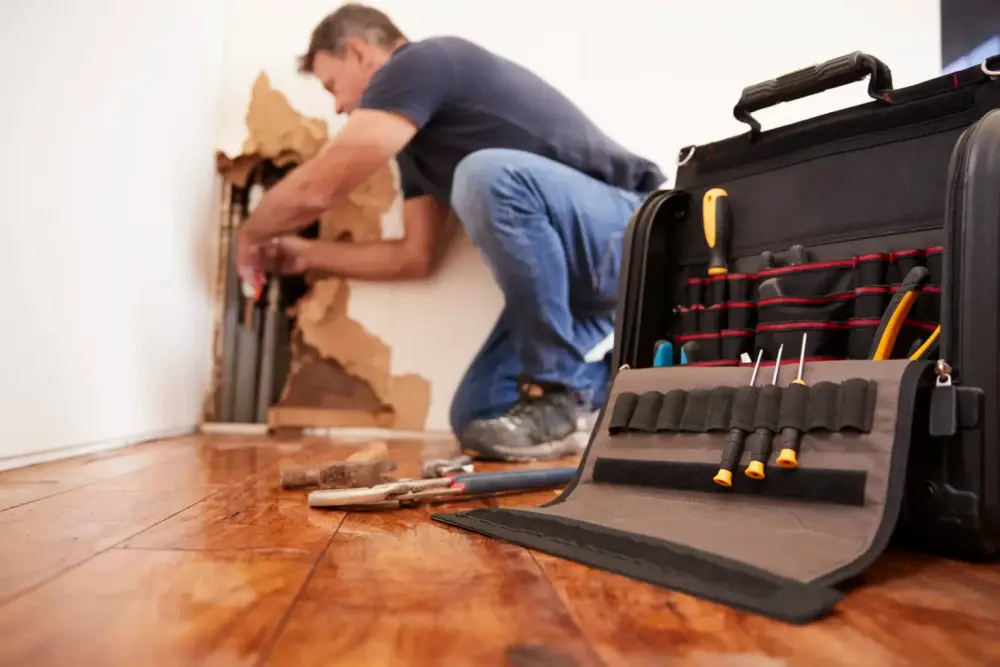
Local Marietta Crew
When you call, a real Relief Remediation technician shows up, not a subcontractor dispatched from out of town. The same crew that extracts the water stays through drying, moisture verification, and repairs.
Common Flood Problems
From failed sump pumps and broken plumbing to sewage backups and rainwater intrusion, the Relief crew handles the water damage these problems leave throughout the lower level.
A sump pump may stop during a power failure, malfunction, or fail to keep up with incoming groundwater. We remove the accumulated basement water and check nearby flooring, wall bottoms, and storage areas for saturation.
Heavy rain can reach a basement through window wells, exterior openings, foundation joints, or other vulnerable below-grade areas. We extract the water and evaluate its path through the property.
Supply-line failures can release pressurized water quickly, and water from an upper floor can travel through wall and ceiling cavities before reaching the lower level. We handle the extraction and check the path between the source and basement.
A failed tank, valve, fitting, or supply connection can release water directly into a basement utility area. Water can reach drywall, trim, nearby storage, flooring assemblies, and adjoining rooms. We remove the water and address the moisture damage.
When water builds up around a below-grade foundation, pressure can drive moisture through cracks, penetrations, or wall-floor joints. We handle the water already inside and dry affected basement materials.
Basement floor drains are often among the lowest plumbing openings in a property, making lower levels vulnerable when wastewater backs up. Sewage is treated as a contaminated water loss with the precautions that requires.
A washing machine hose, utility sink, toilet, or other fixture can release water faster than a basement drain can handle. We remove the overflow water and check nearby flooring, wall bottoms, cabinetry, and contents.
Poor grading, clogged exterior drainage, saturated soil, or failed perimeter drainage can build pressure against below-grade walls and floors. We handle the water and wet materials inside while the underlying drainage issue may also need correction.
Not sure what caused the basement flooding? Call Relief, and we'll help identify what happened and what cleanup the property needs.
Our Process
We evaluate the source, contamination, water depth, hidden saturation, and drying conditions so each stage is based on what is actually happening inside the lower level.
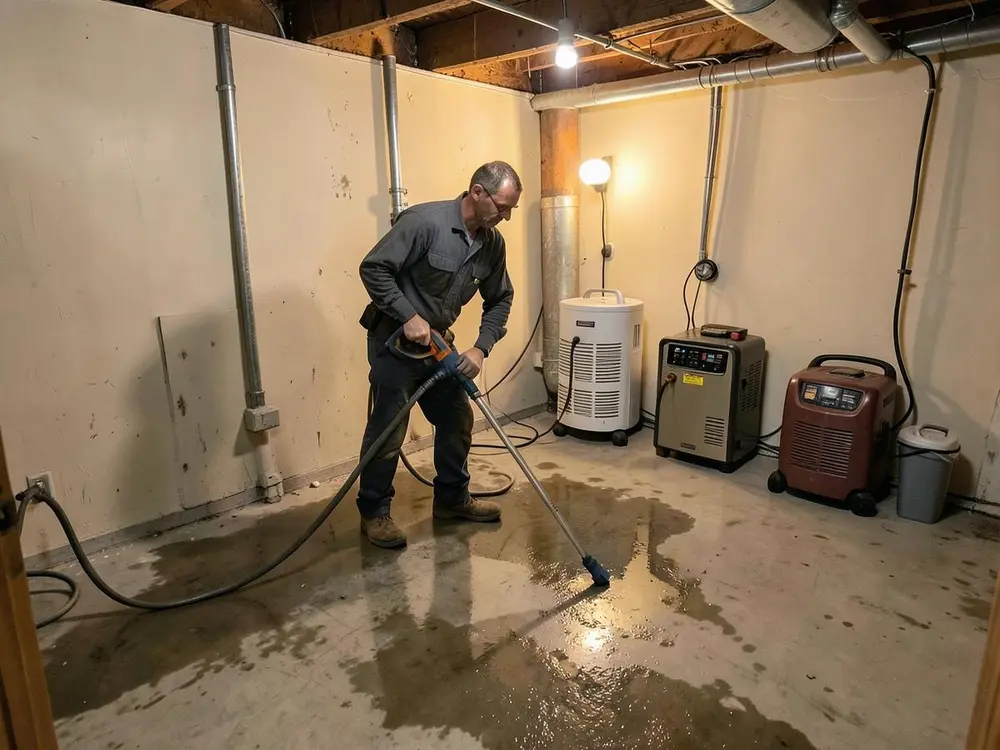
For Marietta basement emergencies, we provide a 60-minute on-site response. Once the crew arrives, we check whether water is still entering, how much of the basement is affected, how deep the flooding is, and whether electrical, structural, or contamination concerns make any area unsafe to enter.
We determine whether the flooding came from a burst pipe, sump-pump failure, groundwater intrusion, stormwater, sewage, or another source. A sanitary plumbing loss may allow more materials to be dried in place, while sewage or heavily contaminated floodwater can require PPE, removal of porous materials, and contamination control.
We use moisture meters to measure affected walls, flooring, framing, and other materials, with readings from comparable dry areas as a reference point. Thermal imaging can also reveal temperature patterns that deserve closer meter testing along wall cavities, flooring edges, and concealed areas.
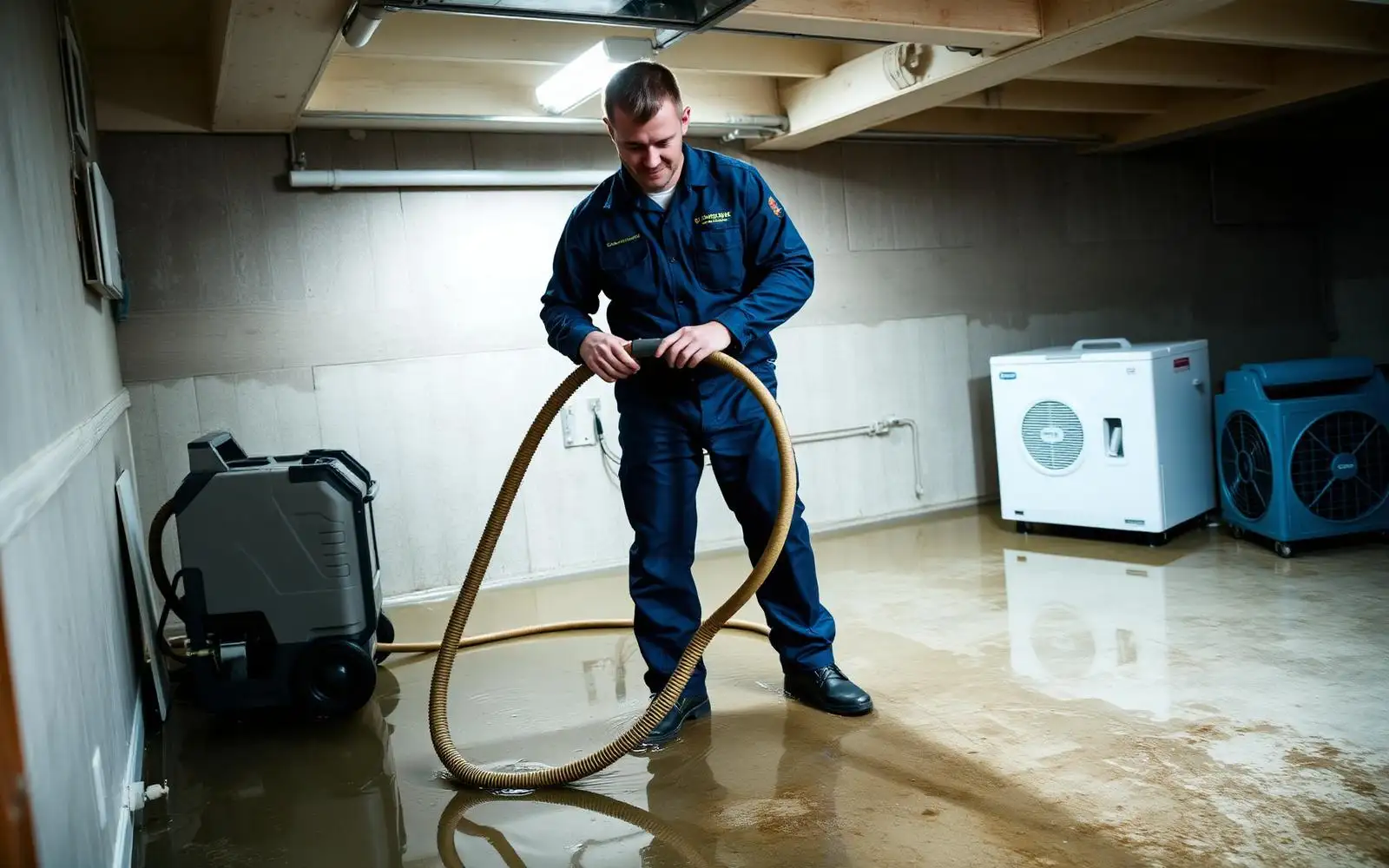
Extraction equipment and submersible pumps are selected according to the amount and depth of standing water. For ordinary indoor water losses, removing bulk water quickly reduces continued absorption into building materials. When deep flooding is associated with saturated soil, pumping may need to be managed more carefully.
Before drying begins, materials affected by sewage or other contamination are handled according to the condition of the loss. Wet carpet padding, damaged drywall, insulation, and baseboards may need to be opened, lifted, or removed when they trap moisture or block access to the wet assembly.
Floodwater can leave dirt, sewage residue, microorganisms, and other contaminants on basement surfaces. We first physically clean affected materials to remove debris and contamination. Where the source and surface require it, an appropriate EPA-registered sanitizer or disinfectant is applied according to its label directions.
Wet basement materials can support mold growth when moisture remains. If visible mold is already present, it is addressed before unrestricted air movement is introduced, because fans can spread mold through the space. Materials with established growth are evaluated for cleaning or removal.
After extraction and any required contamination cleanup, we position air movers and commercial dehumidifiers around the actual wet zone. Air movement helps moisture leave wet materials as vapor, and dehumidifiers remove that vapor from the basement air so evaporation can continue.
Drying is monitored rather than left on a fixed equipment setup. We track material moisture readings, relative humidity, indoor temperature, previously mapped wet areas, and materials drying slower than surrounding surfaces, measurements that show whether moisture is actually leaving the basement.
Final readings are compared with appropriate dry-reference conditions for similar materials. Wall cavities, flooring edges, and other previously wet areas are rechecked so the space is verified dry before repairs, reconstruction, or refinishing begin.
How we remove basement water, dry the affected lower level, and restore damaged walls, flooring, and finishes.
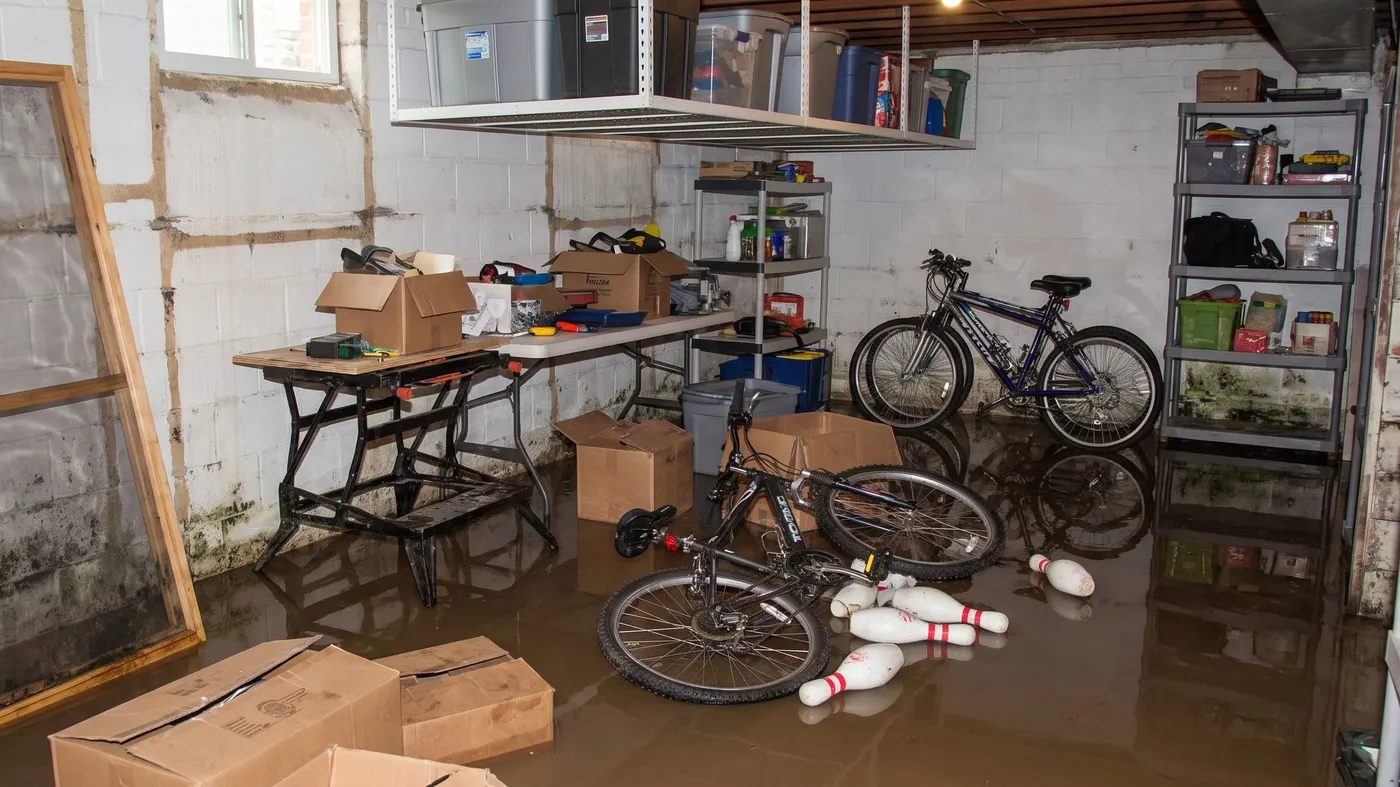 Before
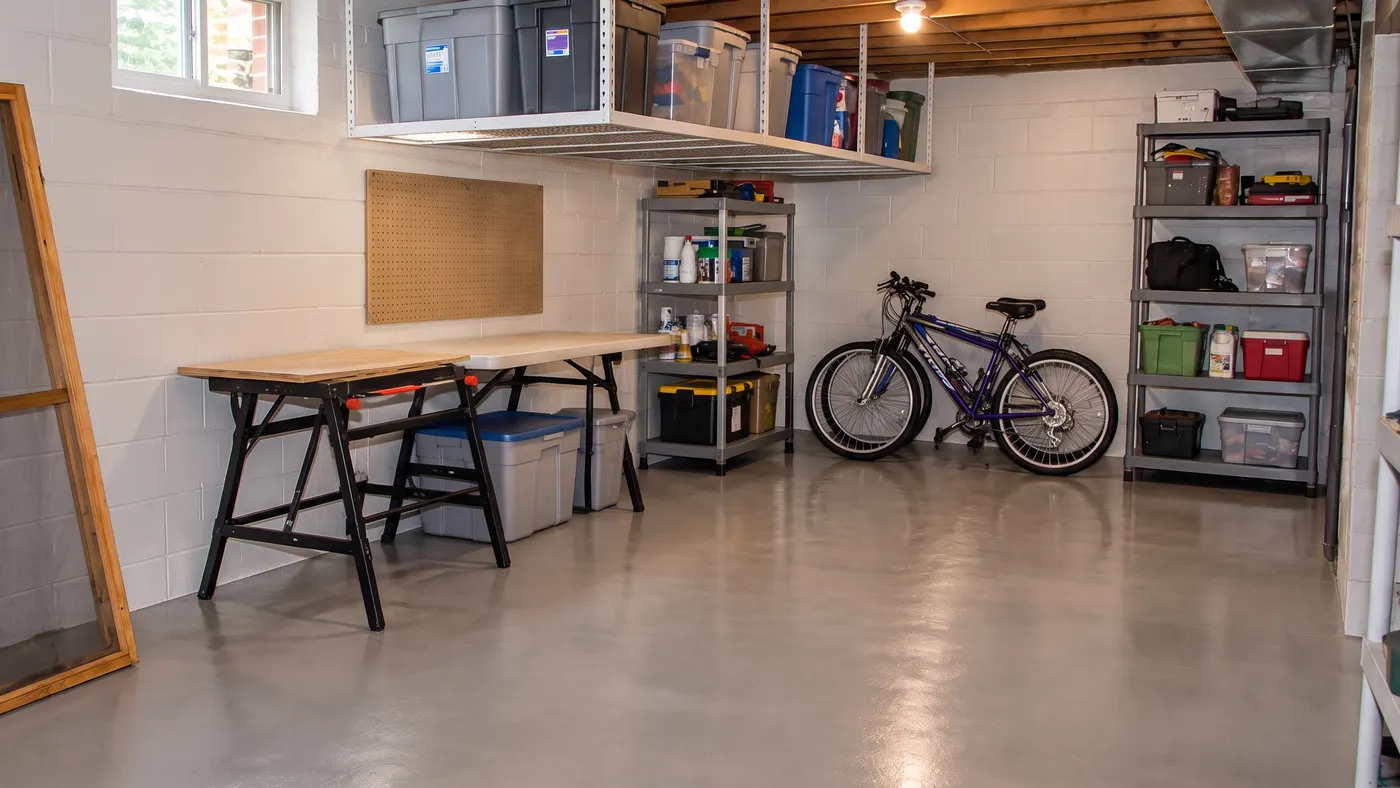 After
After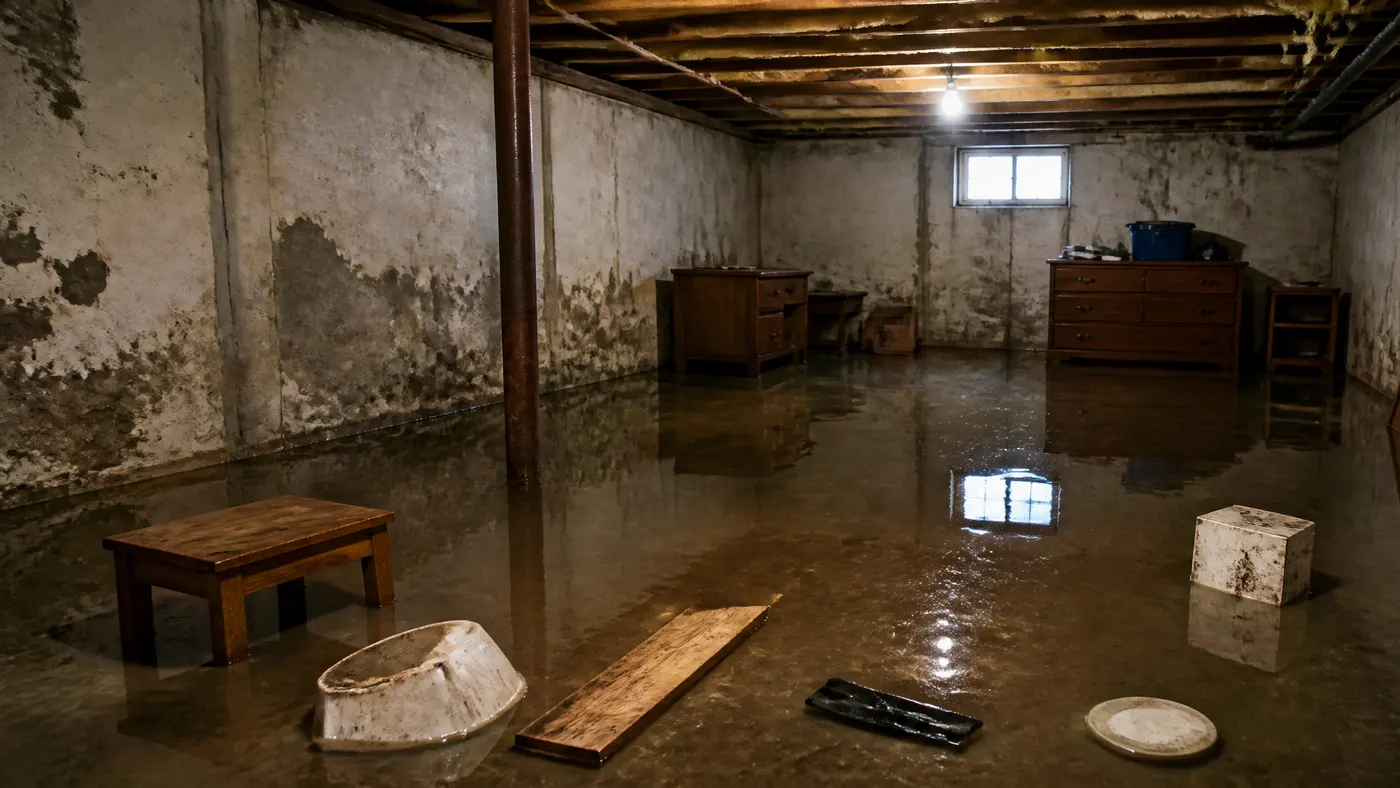 Before
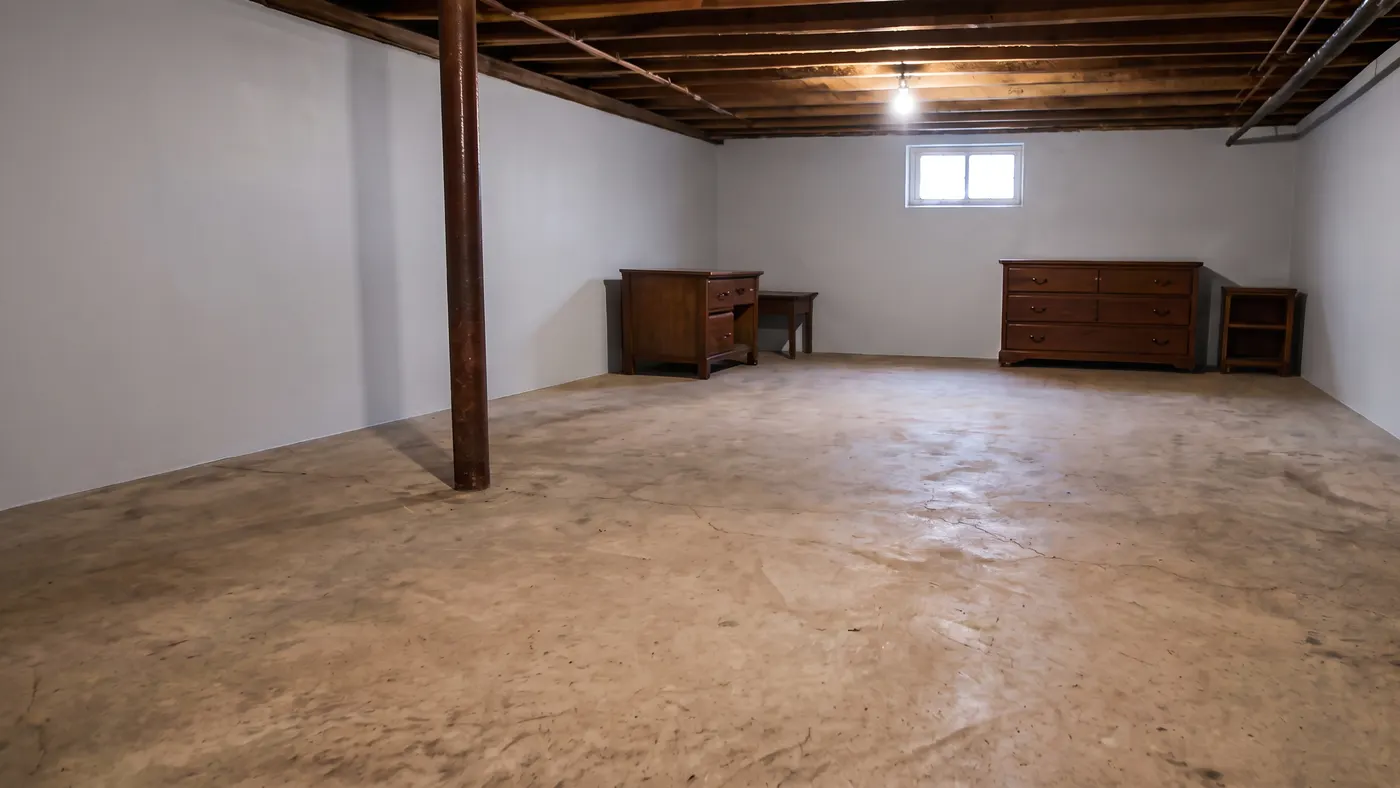 After
AfterThe response depends on whether the flooded area is a finished living space, utility level, storage area, or part of a larger building.
Tell us what you're seeing, and we'll take it from there.
Call 770-741-0183 and speak to a live Marietta dispatcher, not an answering service.
Call 770-741-0183At Your Door in 60 Minutes or Less
Relief Remediation operates from Marietta and serves water-damage customers throughout the surrounding Georgia service area.
Outside these cities? Call with your ZIP code to check availability, 770-741-0183.
Basement water can quickly damage walls, flooring, insulation, and belongings. Act fast to remove the water and stop hidden moisture from causing more damage.
FAQs
Not if the water may be in contact with electrical outlets, appliances, wiring, or the electrical panel. Do not enter standing water to reach a breaker. Keep people away from the area until the electrical risk can be addressed safely.
Yes. We handle water extraction and drying after sump-pump failures. Repairing or replacing the pump itself may require the appropriate plumbing or pump professional, depending on what failed.
Not always. If deep flooding is connected to heavy rain and the surrounding ground remains saturated, removing a large amount too quickly can place additional pressure on basement walls and floors. A heavily flooded lower level should be assessed before aggressive pumping begins.
We can handle the water removal, moisture assessment, and drying of the affected basement. The opening, drainage issue, grading problem, or waterproofing defect that allowed the water inside may also need separate corrective work to reduce the chance of another loss.
Sometimes. The decision depends on where the water came from, how saturated the flooring became, how long it stayed wet, and the condition of the padding or subfloor underneath. Contaminated materials are treated more cautiously than materials affected by a clean plumbing loss.
Not automatically. The material, level of saturation, contamination, and physical damage all matter. We can separate items that may be recoverable from contents that cannot be cleaned or restored reasonably.
Moisture meters provide readings from building materials, while thermal imaging can help identify patterns that warrant closer inspection. Those findings help determine whether moisture remains beyond the visible flood area.
It depends on the cause and the policy. Sudden indoor plumbing losses may be handled differently from outside floodwater. Standard homeowners policies generally exclude external flooding, and sewer-backup protection often requires separate coverage or an endorsement. We can document the loss, but your carrier determines what the policy pays for.