IICRC-Certified Technicians
Our certified technicians follow professional methods for extraction, moisture checks, and structural drying.
24/7 Water Extraction
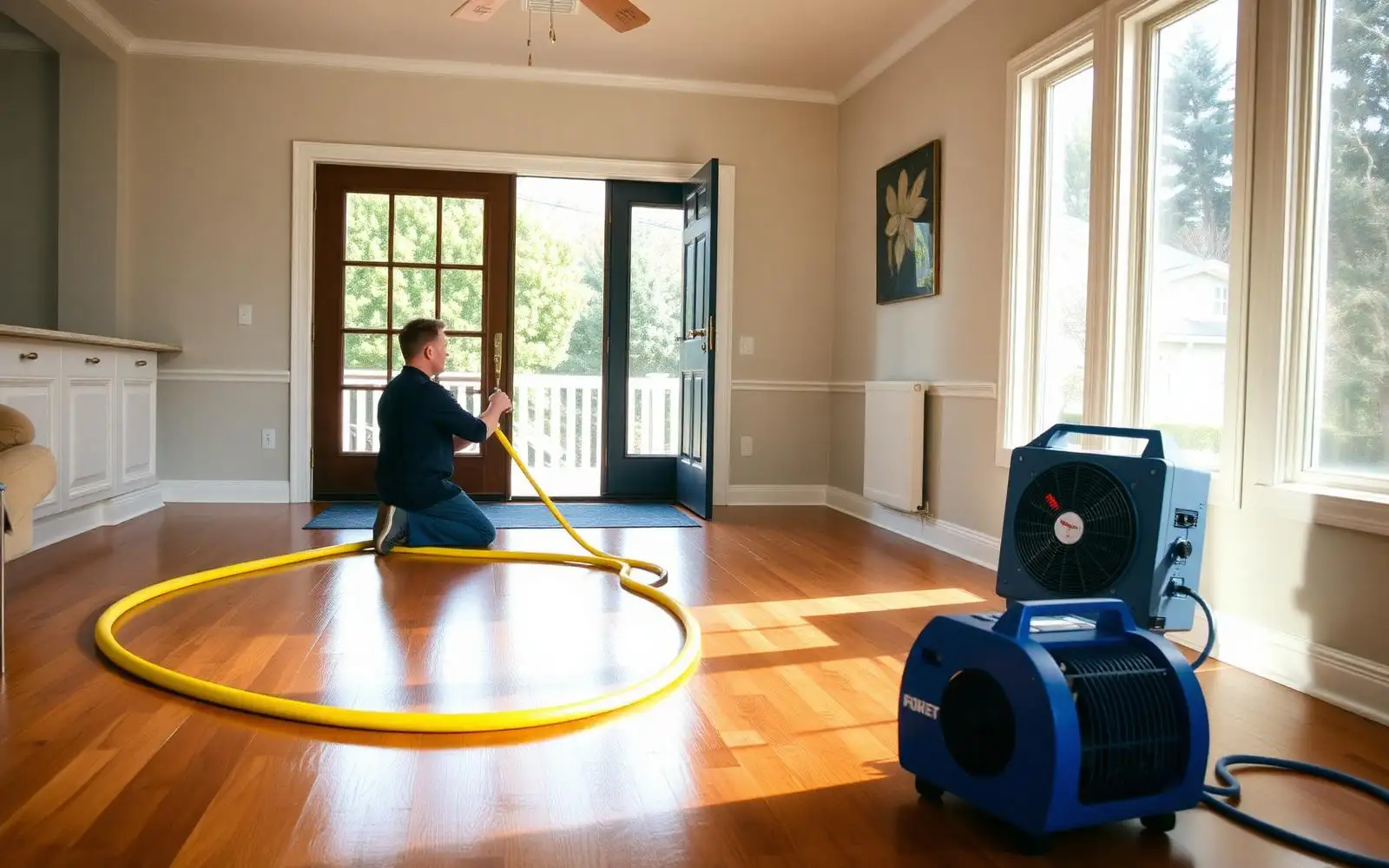
Trust Relief Remediation to remove standing water, thoroughly dry affected areas, and restore your property with emergency response, certified technicians, and high-volume extraction equipment.
At your door in60 minutes or less

Elle S
“Relief Remediation did an excellent job with our emergency water damage remediation project. David arrived promptly and explained what needed to be done and why. He is very knowledgeable and documented everything for the insurance adjuster. Cleaned up after equipment was removed. Highly recommend their services!”
Service: Water removal
Our certified technicians follow professional methods for extraction, moisture checks, and structural drying.
Relief Remediation is BBB Accredited and currently carries an A+ BBB rating.
We operate from our Marietta location and serve communities throughout the surrounding metro area.
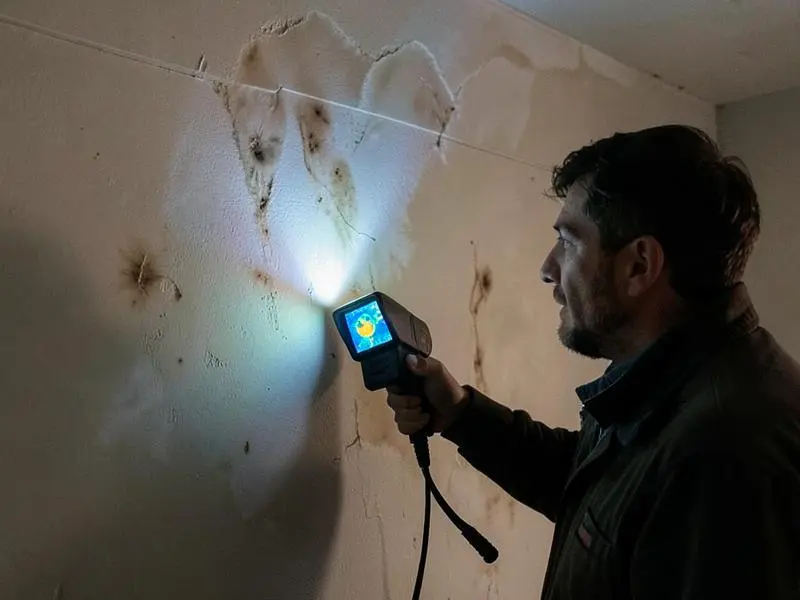
Thermal imaging and moisture meters help find hidden damp areas and track drying progress as equipment runs.
Air movers and commercial dehumidifiers work together to pull remaining moisture from walls, flooring, and framing after extraction.
We document affected areas with photos, moisture readings, and project records for insurance coordination.
Once the affected structure is dry, we can continue into the repairs and reconstruction needed to restore damaged areas.
Every Water Category
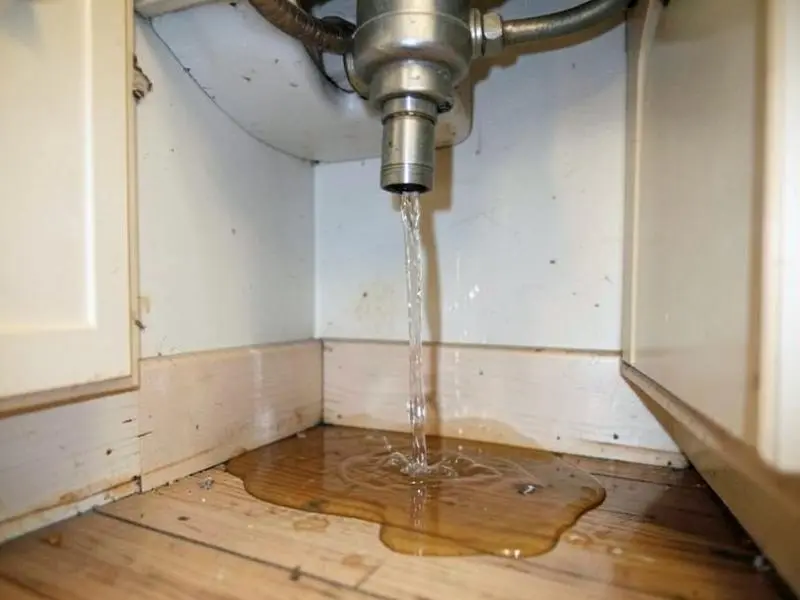
We handle everything from sanitary plumbing leaks to sewage backups, widespread flooding, hidden saturation, damaged contents, and the repairs that may follow.
Category 1 water comes from a sanitary source, such as a broken water supply line or certain clean plumbing and appliance-supply leaks. Even without significant contamination at the source, water can quickly soak flooring, drywall, cabinets, insulation, and subflooring, and its condition can change after contact with contaminated materials.
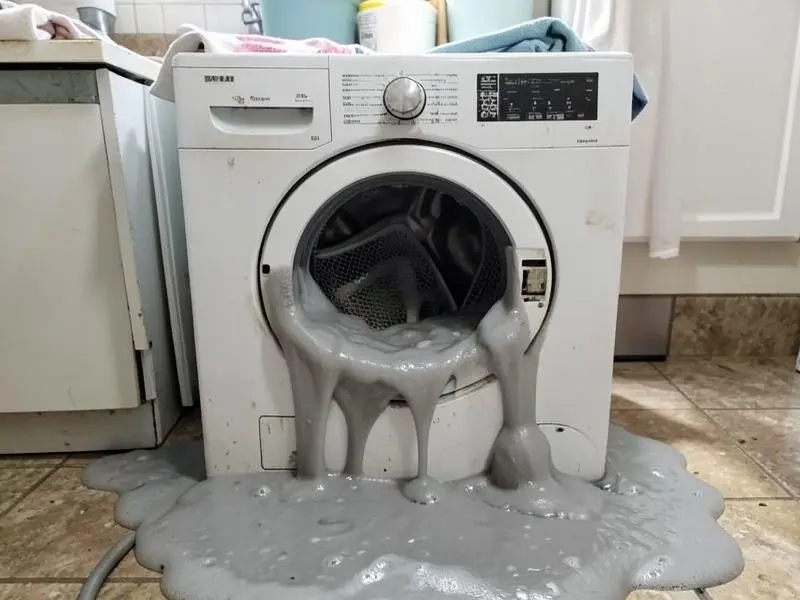
Category 2 water contains enough biological, chemical, or physical contamination that it should not be treated like a sanitary plumbing loss. Examples can include washing machine discharges, dishwasher discharges, and toilet overflows without fecal matter. This type of water changes what should be cleaned, treated, dried, or discarded.
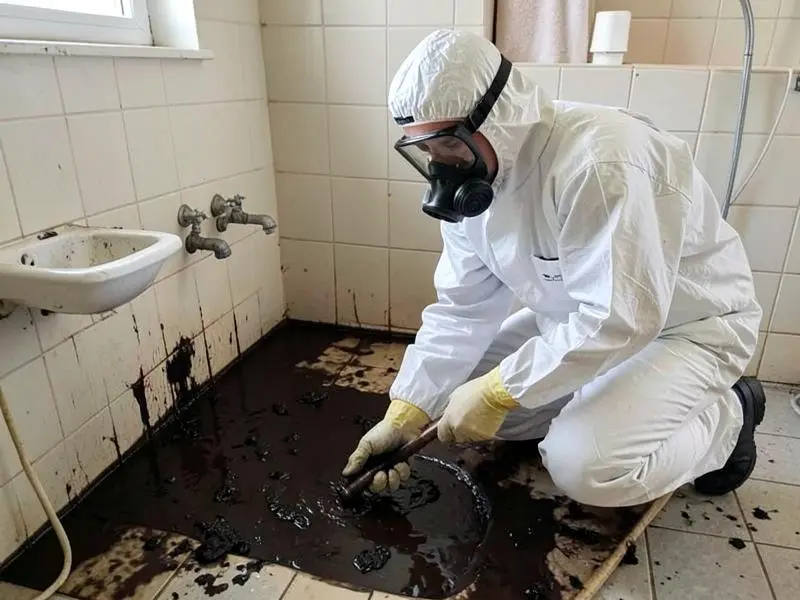
Category 3 water is grossly contaminated and can contain harmful microorganisms or other hazardous substances. Examples include sewage backups, waste-line backflows, rising river or stream water, and seawater flooding. Absorbent materials may need to be discarded rather than dried in place.
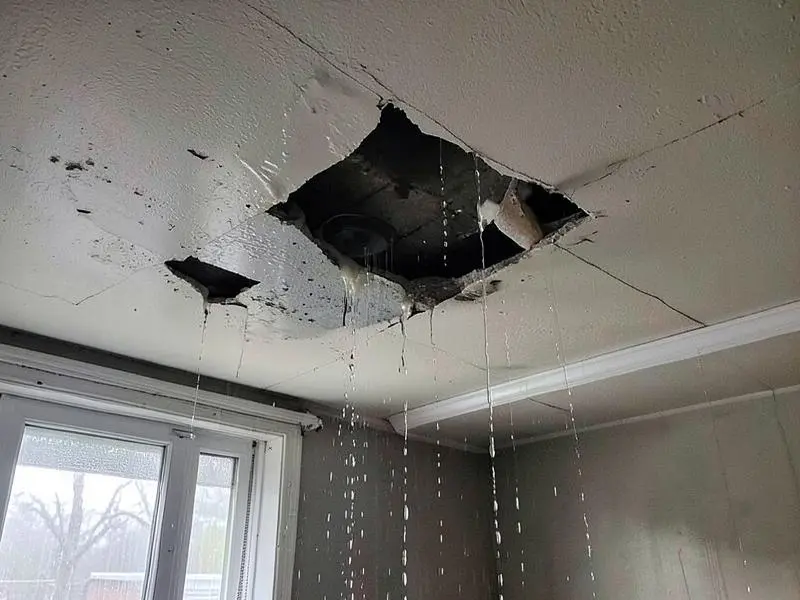
Storm-related water has to be evaluated based on its entry source and what it passed through. Wind-driven rain through a damaged roof is not automatically Category 3, but rising surface floodwater that has contacted soil, sewage, or chemicals presents a very different cleanup problem.
We respond to water removal needs caused by burst supply lines, water heater failures, appliance leaks, overflowing fixtures, basement flooding, storm intrusion, sewer backups, and multi-level plumbing losses. Water can travel beneath flooring and into adjoining spaces, turning one leak into a much larger cleanup.
Water can remain inside or beneath flooring and underlayment, subfloors, drywall and insulation, cabinet bases, wall cavities, wood framing, and concrete and masonry. The water category, material type, physical damage, and saturation all affect whether something can reasonably stay.
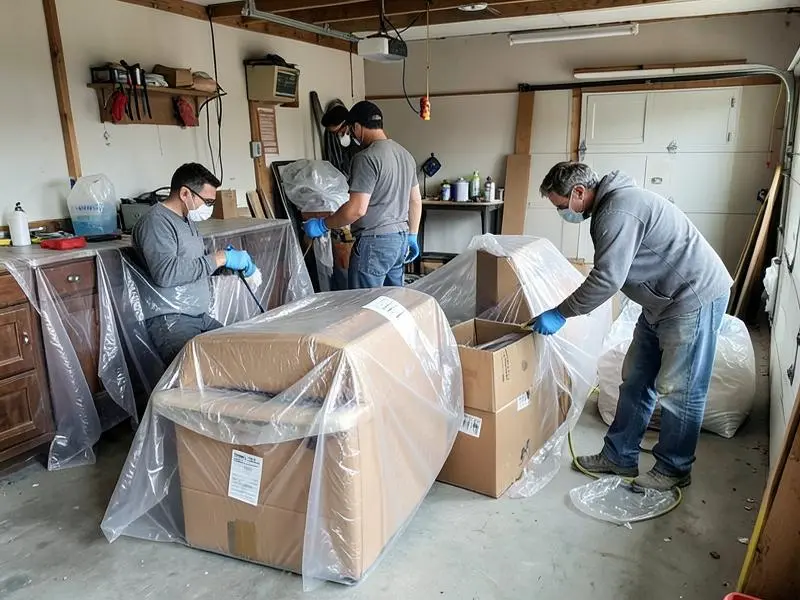
Furniture, rugs, boxes, documents, and stored items may need to be separated from the wet structure and evaluated individually. Whether something can be saved depends on what it is made from and what type of water contacted it. When contamination is present, affected surfaces are cleaned first.
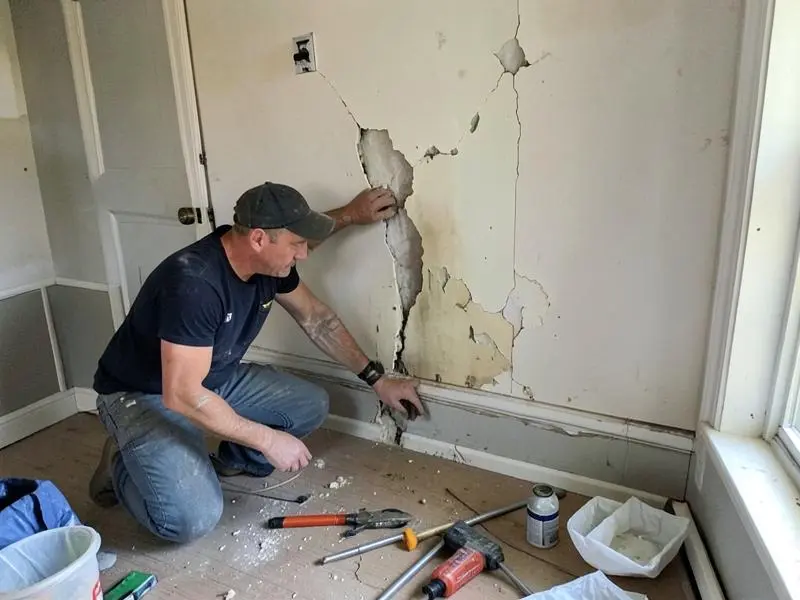
Water can leave drywall swollen, flooring warped, trim damaged, or wall and ceiling areas opened during mitigation. Once the affected structure is dry and contamination concerns have been addressed, we can continue into the repairs and reconstruction needed to restore damaged areas.
Our Process
We use a measured water removal and structural drying process to determine where the water traveled, how wet the materials are, and whether drying conditions are working as planned.
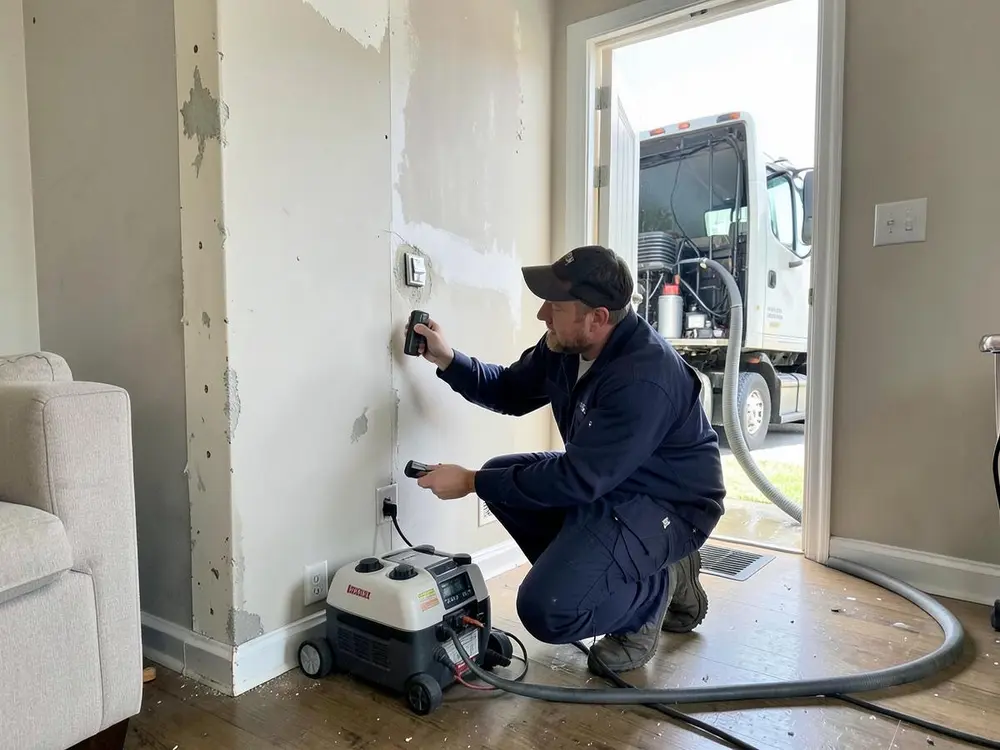
We offer a 60-minute on-site response for Marietta water emergencies. Once on-site, our crew determines where the loss started, how many areas are affected, and whether water is still entering or moving through the property.
Before extraction begins, we check the source and conditions around the loss, electrical exposure, sewage or contaminated water, wet or weakened ceilings, water around appliances or mechanical equipment, and areas that may not be safe to enter.
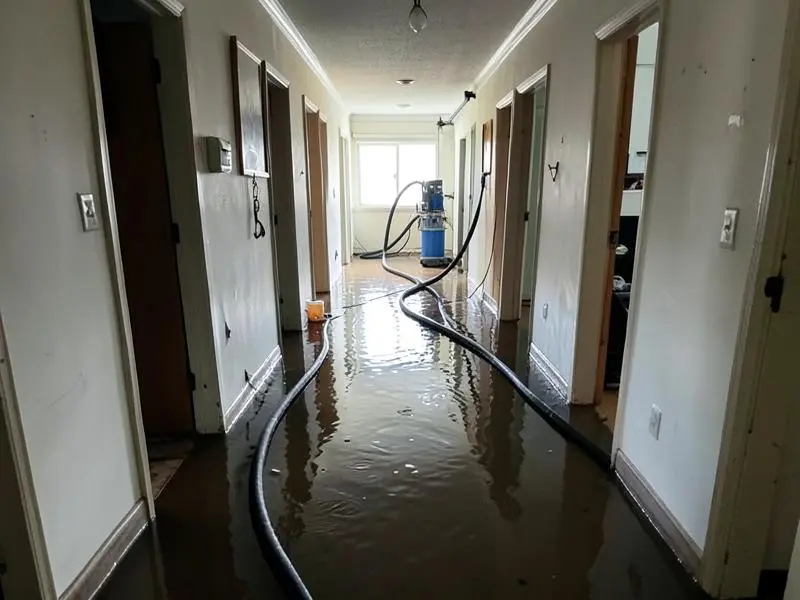
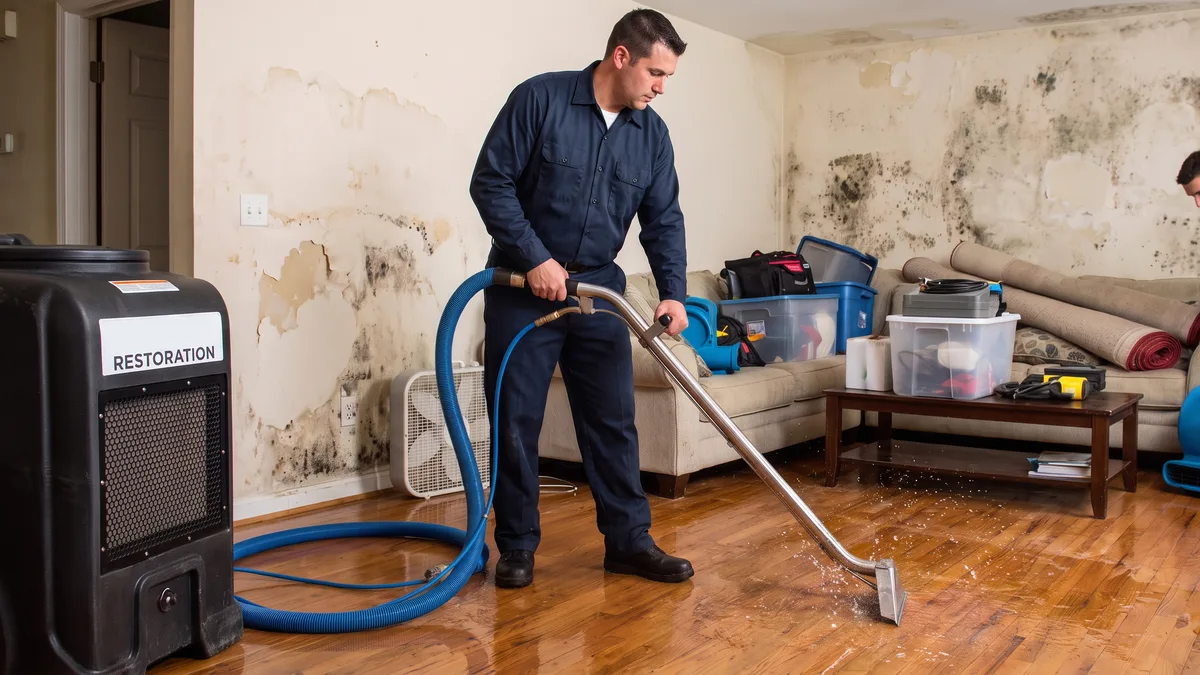
Professional water extraction begins before the main drying setup. Physically removing liquid water is far more efficient than leaving that same moisture to evaporate from flooring, carpet, walls, or other materials.
The visible wet area does not always show the full extent of water damage. We use moisture meters and thermal imaging to create a baseline for determining how far the water spread and measuring drying progress later.
Water may move beneath flooring, behind baseboards, under carpet padding, inside wall cavities, or around cabinets. When materials block access or hold moisture where airflow cannot reach it, parts may need to be lifted, opened, or taken out.
After extraction, we set up equipment according to the size and location of the wet area. Air movers increase airflow across damp surfaces, and commercial dehumidifiers remove vapor from the surrounding air so walls, flooring, and framing continue drying.
Drying is monitored rather than left to run unchanged. We track material moisture readings, relative humidity, indoor temperature, and changes in affected areas, adjusting equipment placement instead of assuming every area dries at the same rate.
We don't rely on appearance or touch to decide when drying is complete. Final moisture readings are compared with established dry-reference conditions for similar materials before equipment is removed and any needed repairs move forward.
How we remove the water, dry affected materials, and restore the damaged areas afterward.
 Before
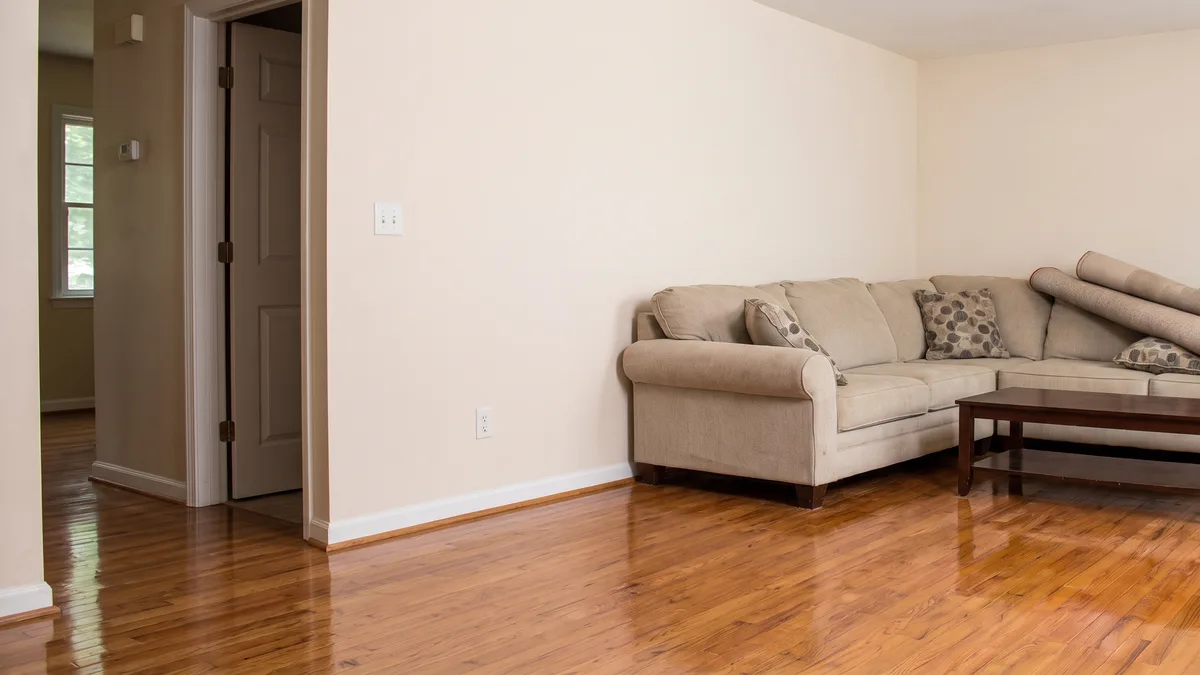 After
After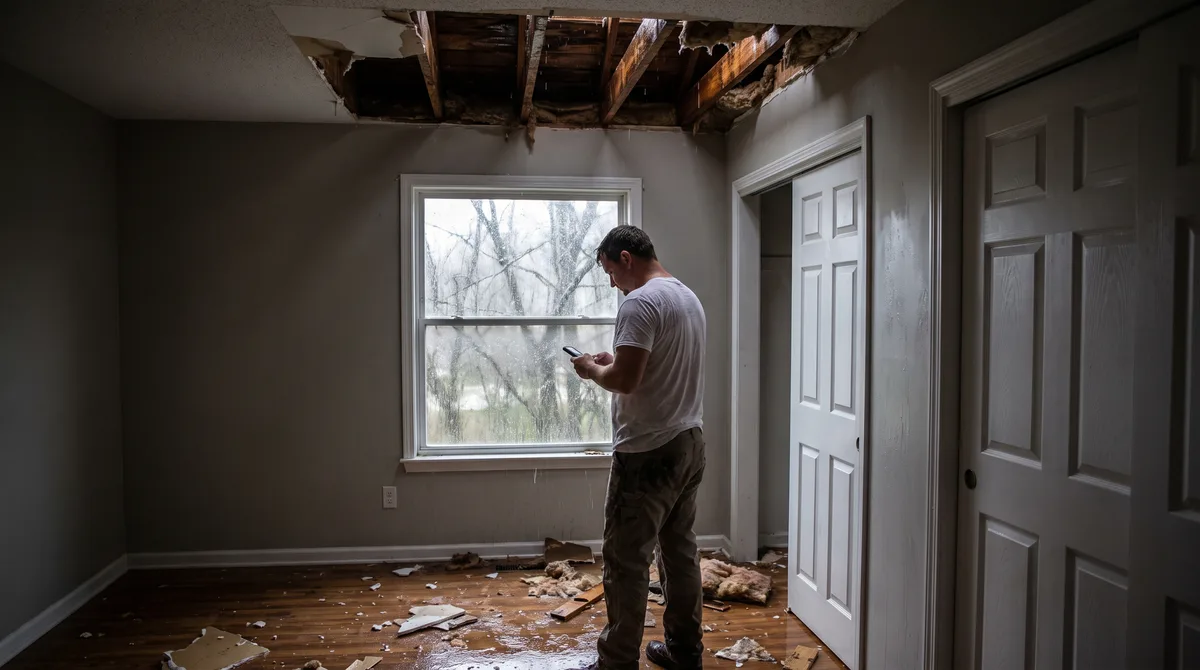 Before
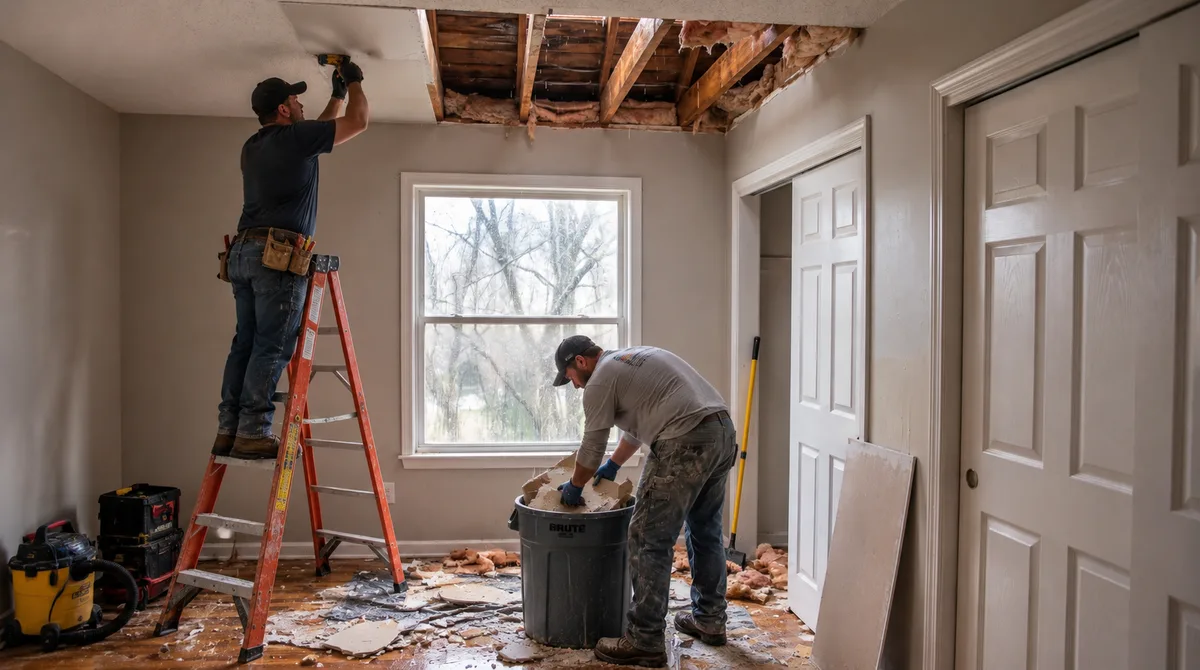 Cleanup in progress
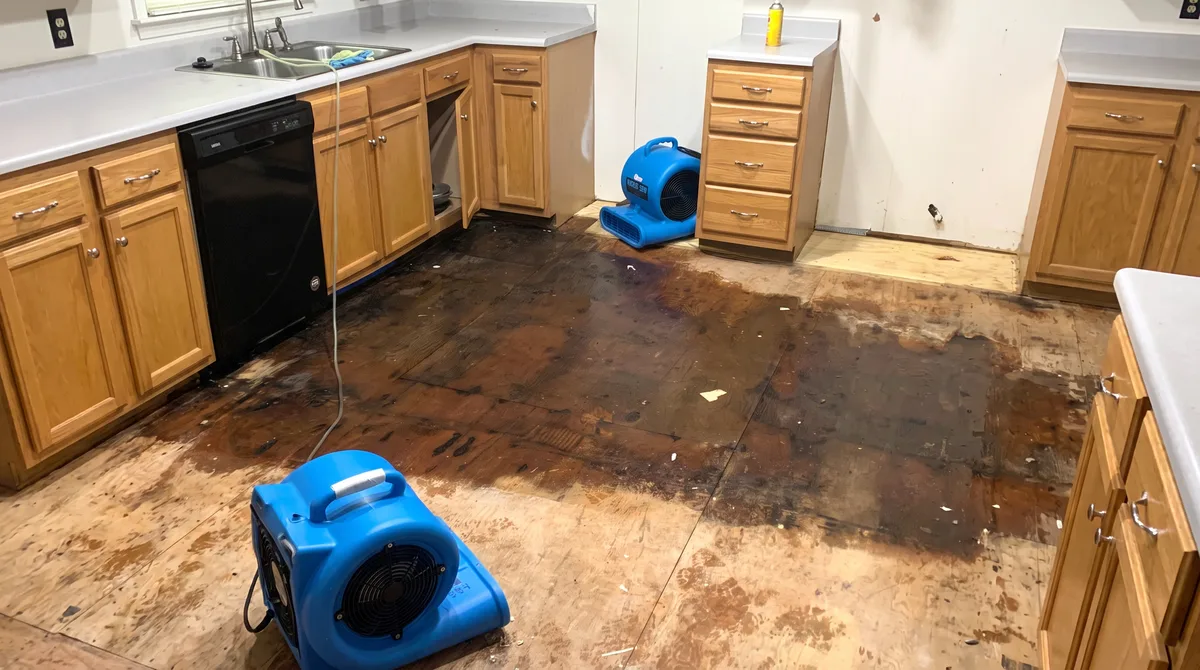 Before
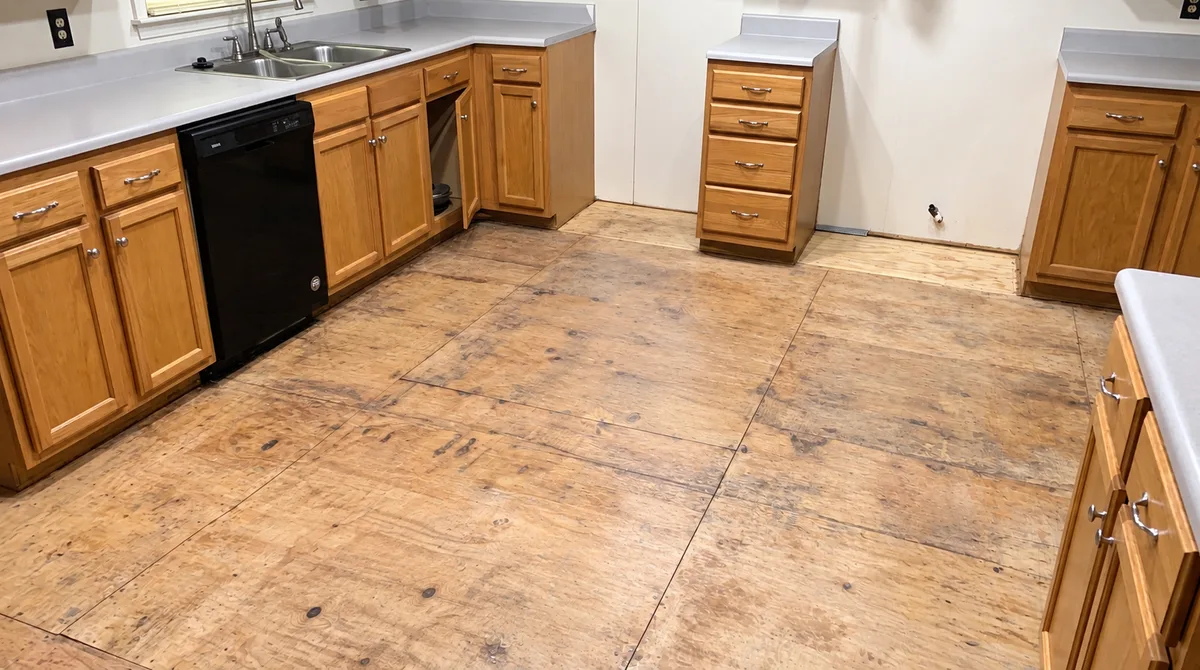 After cleanup & drying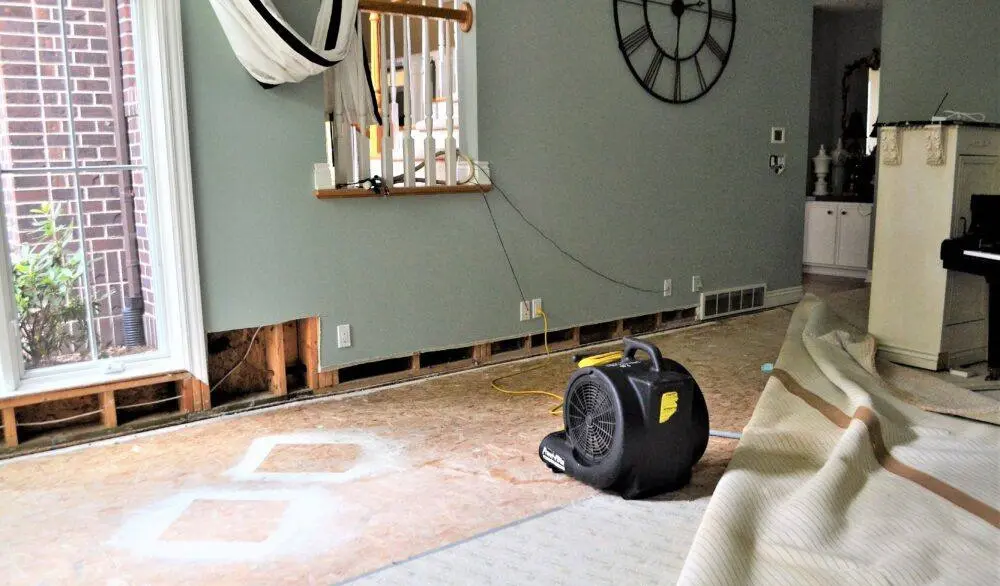
On-Site in Marietta
This is what a Relief Remediation drying setup looks like mid-job: high-powered extraction first, then commercial air movers and dehumidifiers positioned to match the size and shape of the wet area, not a one-size-fits-all setup.
Homes to Multi-Unit Properties
A flooded basement has different drying needs than a restaurant, apartment building, or medical office. We adjust the response to the space and the materials involved.
Call 770-741-0183 for 24/7 live dispatch and a 60-minute Marietta response.
Call 770-741-0183At Your Door in 60 Minutes or Less
Relief Remediation operates from Marietta and serves water-damage customers throughout the surrounding Georgia service area.
Outside these cities? Call with your ZIP code to check availability, 770-741-0183.
Related Services
Whether water is coming from a broken pipe, failed appliance, flooded basement, sewage backup, or storm, the Relief crew handles the problem before it turns into a larger property loss.
For sudden leaks, overflows, and indoor flooding, standing water is removed first to limit how much continues soaking into flooring, walls, cabinets, and nearby rooms. We then check for moisture left beneath the surface and begin the drying work the loss requires.
A broken supply line can release a large amount of water in a short time. We extract water from affected rooms, check adjoining walls and floors, and address saturation that may have spread beyond the visible leak area.
Washing machines, dishwashers, refrigerators, and water heaters can flood floors before the problem is noticed. Water removal may need to include carpet, flooring, cabinets, wall bottoms, and the material underneath them, not just the area around the appliance.
Basements collect water at the lowest point of the building. We remove accumulated water, evaluate whether the source involves rain, plumbing, sump-pump failure, or sewage, and check lower walls, flooring, contents, and structural materials for remaining moisture.
The puddle can disappear while water remains inside the structure. Thermal imaging helps locate suspect areas, while moisture meters confirm wet materials beneath flooring, behind walls, around cabinets, and in other concealed spaces that may still need drying.
Extraction removes liquid water. Drying handles what materials have already absorbed. Air movement and dehumidification help pull remaining moisture from drywall, wood, subfloors, framing, and other salvageable materials after the bulk water is gone.
Sewage losses require more than ordinary water extraction. We remove contaminated water, identify materials that cannot safely remain, clean affected surfaces, and address the moisture left behind with the added precautions required for a contaminated loss.
Heavy rain and storm-related water can enter through roofs, doors, windows, lower levels, or other openings. We remove the water, evaluate how far it traveled, check for contamination, dry affected materials, and can continue into repairs when the property has physical damage afterward.
Not sure what caused the water damage? Call Relief, and we'll help you determine what needs to happen next.
Call Now
If water has reached your flooring, walls, basement, cabinets, or other building materials, surface cleanup may not be enough. Contact Relief Remediation now for fast water extraction, moisture detection and removal, and structural drying.
24/7 Response | Marietta, GA | Residential & Commercial Water Removal
FAQs
If you can safely reach the shutoff, stop the water at the fixture or main supply. Stay away from standing water near electrical outlets, appliances, or panels. Once the immediate source is controlled, professional extraction can begin.
Possibly. Towels, mops, and wet vacuums may remove surface water without reaching moisture below flooring, inside drywall, or beneath cabinets. A moisture check can show whether additional drying is needed.
Sometimes. It depends on the water source, how long the material stayed wet, how deeply moisture traveled, and the condition of the material underneath. The affected area should be evaluated before deciding what stays and what comes out.
At Relief, we use moisture readings and thermal imaging to help identify changes that may indicate hidden dampness. These tools make it easier to determine whether the visible wet area is only part of the loss.
No. Some drywall may be dried depending on the amount of water, the type of loss, how long it remained wet, and its physical condition. Material that is heavily saturated, damaged, or contaminated may need removal.
No. Sewage carries contamination and requires additional safety, removal, and cleaning precautions. Avoid contact with the affected area and tell the response team if the water came from a sewer or toilet backup.
That depends on your policy and what caused the damage. Sudden plumbing or appliance losses may be treated differently from groundwater flooding or other events. We can document the damage and completed work, but the insurance carrier decides coverage.
Extraction and structural drying are separate stages. The timeline depends on how much water entered, how many materials became wet, the type of construction, and how moisture readings change. We can give you a clearer scope after inspecting the property.